
Arthritis Treatment in Eluru
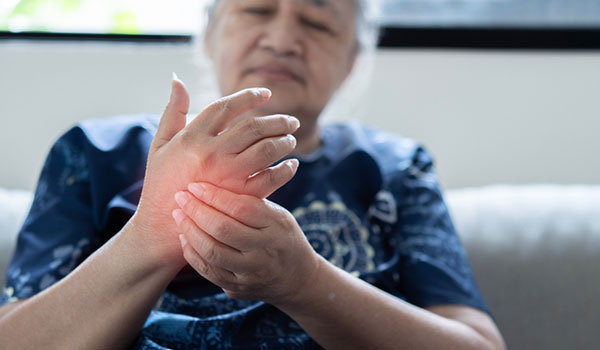
Arthritis is a common inflammatory condition affecting the joints, leading to pain, stiffness, swelling, and decreased mobility. Osteoarthritis results from wear and tear of cartilage, causing bones to rub against each other, while rheumatoid arthritis is an autoimmune disorder where the immune system attacks joint tissues. Factors such as advanced age, hereditary predispositions, excess weight, and previous joint trauma elevate the likelihood of developing this condition, which can profoundly disrupt daily activities and lead to pain and mobility issues if not properly managed. Management under an arthritis specialist in Eluru includes medication, physical therapy, lifestyle changes, and, in severe cases, surgical interventions to improve joint function and quality of life.
Types of Arthritis
There are over 100 distinct forms of arthritis, each affecting the joints differently; among the most prevalent are osteoarthritis, resulting from joint wear and tear, and rheumatoid arthritis, an autoimmune disorder where the immune system attacks joint tissues. Gout is characterized by sharp uric acid crystal buildup causing intense pain, while ankylosing spondylitis primarily impacts the joints near the lower spine, leading to stiffness and fusion over time. Psoriatic arthritis impacts individuals with psoriasis, affecting both skin and joints, and juvenile arthritis affects children and adolescents under 16, often causing persistent joint swelling. Depending on the type, arthritis can either progressively damage joint tissues (degeneration) or trigger inflammatory responses (swelling), with some forms causing both degeneration and inflammation to varying degrees.
Symptoms and Causes
Arthritis primarily results from a variety of factors depending on its type, with the most common cause being osteoarthritis, which develops naturally as a result of aging and the gradual wear and tear of joint cartilage due to repetitive use over time. Other forms are caused by excess uric acid in the blood leading to gout, autoimmune responses where the immune system mistakenly attacks joint tissues as seen in rheumatoid arthritis, or viral infections like COVID-19 that can trigger viral arthritis. In some cases, arthritis arises without a clear trigger or identifiable cause, a condition known as idiopathic arthritis, highlighting the complex and multifaceted nature of this joint disorder.
Risk Factors
Arthritis can develop at any age, but certain factors increase the likelihood, including smoking, family history, sedentary lifestyle, autoimmune conditions, obesity, and physically demanding jobs or sports, especially in those over 50, women, and athletes in contact sports. Osteoarthritis typically affects adults over 50, while rheumatoid arthritis often begins between 30 and 60 years old. Other types, such as post-traumatic arthritis or gout, tend to develop following joint injuries or prolonged high uric acid levels, respectively. It's important to consult a healthcare professional to assess your personal risk and determine when to monitor for early signs of joint issues.
Diagnosis
To diagnose arthritis, a healthcare provider will conduct a thorough physical examination, inspecting your affected joints and discussing your symptoms, including when they began and whether certain activities or times of day worsen them. They will assess your joint mobility by measuring your range of motion and comparing it across similar joints like knees or fingers. Diagnostic imaging such as X-rays, ultrasounds, MRIs, or CT scans may be utilized to visualize joint damage and differentiate arthritis from other conditions like fractures or injuries. Additionally, blood tests can be performed to evaluate uric acid levels for gout, identify infections, or detect autoimmune diseases, providing a comprehensive understanding of the underlying cause of your joint issues.
Treatment and Surgery
While there is no cure for arthritis, a variety of treatment options are available to help manage symptoms based on the type and severity of the condition, as well as the affected joints. Common approaches include over-the-counter NSAIDs or acetaminophen for pain relief, corticosteroid injections to reduce inflammation, and DMARDs for rheumatoid arthritis treatment in Eluru. Physical and occupational therapies enhance mobility and strength, while surgical interventions such as joint fusion or replacement may be necessary when conservative treatments fail, with the choice depending on joint damage and overall health. The best orthopedic surgeon in tadepalligudem will determine the most appropriate procedure—either fusing bones to stabilize or replacing the damaged joint with an artificial prosthesis—to improve function and quality of life.
Discover expert orthopedic care with Dr. I C Chenchaiah at Amulya Hospital, the best orthopedic hospital in Eluru for arthritis relief and advanced joint health solutions. Whether you're battling chronic arthritis or seeking preventive care, experience personalized treatment in a state-of-the-art facility. Book your consultation today and take the first step toward a pain-free, active life with Dr. I C Chenchaiah at Amulya Hospital—where your joint health is our top priority!