
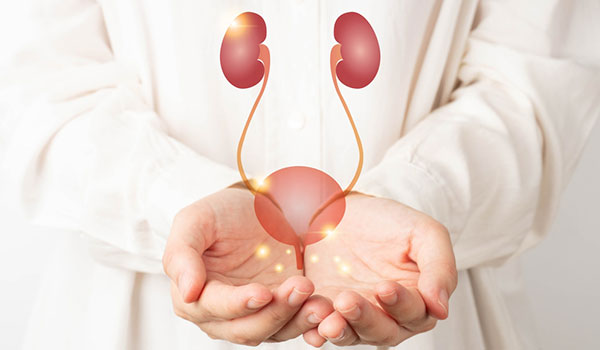
Urology is a specialized branch of medicine dedicated to diagnosing, treating, and managing disorders related to the urinary tract in both men and women, as well as the male reproductive system. It encompasses a wide range of conditions, including urinary tract infections, kidney stones, bladder control issues, and prostate problems, along with cancers affecting these organs. The best urologist in Eluru employs advanced diagnostic techniques such as imaging and endoscopy, alongside innovative surgical procedures like minimally invasive surgeries and laser treatments. Beyond addressing acute conditions, urology also focuses on improving quality of life through treatments for chronic issues like incontinence and erectile dysfunction. The field is dynamic, integrating technological advancements to enhance patient outcomes and adopt a holistic approach to male and female urological health. As a multidisciplinary specialty, the best urology hospital in Eluru often collaborates with other healthcare providers to deliver comprehensive care, making it vital for maintaining the body's essential functions related to fluid regulation and reproduction.
Conditions Managed Under Urology
Urology, a specialized branch of medicine, addresses a wide array of issues related to the urinary tract and male reproductive system. Key issues include
- Urinary tract infections (UTIs) are prevalent conditions that can involve any component of the urinary system, typically resulting from bacterial invasion.
- Kidney Stones, characterized by the formation of mineral deposits, cause severe pain and require interventions such as lithotripsy or surgery.
- Benign Prostatic Hyperplasia (BPH), an enlargement of the prostate gland, leads to urinary obstruction in men, impacting quality of life.
- Prostate Cancer is a significant concern, requiring early detection and treatment to improve outcomes.
- Urinary Incontinence, involving involuntary leakage of urine, affects individuals' social and psychological well-being, often managed through behavioural therapies, medications, or surgery.
- Erectile Dysfunction (ED) is a prevalent issue in male reproductive health, impacting intimacy and mental health, with treatments ranging from medications to surgical interventions.
- Male Infertility, caused by hormonal, anatomical, or genetic factors, is a focus area, with assisted reproductive techniques offering solutions.
- Bladder Cancer, often linked to smoking, requires early diagnosis and surgical removal, with ongoing monitoring.
- Pediatric Urological Issues such as congenital anomalies (e.g., hypospadias, vesicoureteral reflux) necessitate specialized surgical correction.
- Urothelial Cancers and renal cell carcinomas are critical concerns, demanding multidisciplinary management.
Additionally, urology specialist in dwaraka Tirumala addresses issues related to urinary diversion following surgeries for cancer or trauma, and the management of neurogenic bladder disorders caused by neurological conditions like spinal cord injuries. Advances in minimally invasive surgeries, robotic-assisted procedures, and targeted therapies continue to enhance treatment outcomes, emphasizing the dynamic and evolving landscape of urological healthcare.
Gender-Specific Urological Concerns
Urological issues differ notably between men and women due to their distinct anatomical structures and physiological functions. In males, prostate health is paramount, with conditions like benign prostatic hyperplasia and prostate cancer being prevalent, often impacting urination and quality of life. Erectile dysfunction and infertility are also notable concerns, linked to vascular, hormonal, or neurological factors. Conversely, females face unique urological issues such as recurrent urinary tract infections (UTIs), often related to anatomical proximity of the urethra to the anus, and urinary incontinence, which can be influenced by childbirth, menopause, and pelvic floor weakness. Urinary incontinence, especially stress incontinence, is more common in women due to pelvic organ prolapse or sphincter deficiency. Additionally, conditions like interstitial cystitis predominantly affect women, leading to chronic bladder pain. Recognizing these gender-specific concerns is crucial for tailored diagnosis and management, emphasizing the importance of gender-sensitive approaches in urological care.
Diagnosis and Identification
To diagnose urological issues, clinicians may utilize a variety of methods:
- Urinalysis to detect infections, blood, or protein.
- Urine culture to identify bacterial pathogens.
- Blood tests measuring kidney function (creatinine, BUN).
- Imaging studies like ultrasound for structural abnormalities.
- CT scans for detailed visualization of the urinary tract.
- Cystoscopy to directly inspect the bladder.
- Urodynamic testing to assess bladder function.
- PSA testing for prostate issues.
- Digital rectal exam for prostate assessment.
- Post-void residual measurement to evaluate urine retention.
- Biopsies for suspected malignancies.
- Flow rate studies to assess urinary flow.
- MRI for soft tissue detail.
- Voiding cystourethrogram for reflux detection.
- Nuclear scans for renal function.
Treatment of Urological Disorders
Treating urological issues can involve a variety of innovative and personalized approaches. For instance, minimally invasive procedures like laser lithotripsy effectively break down kidney stones, reducing patient recovery time. Biofeedback therapy can be used for urinary incontinence by retraining pelvic floor muscles, enhancing bladder control. Regenerative medicine, including stem cell therapy, is emerging to repair damaged tissues such as the bladder or urethra. Advanced imaging techniques like MRI urography enable precise diagnosis, guiding targeted treatments. Pharmacological options, such as alpha-blockers for benign prostatic hyperplasia, improve urine flow, while antimuscarinics manage overactive bladder symptoms. Lifestyle modifications, including pelvic floor exercises and fluid management, can significantly alleviate symptoms. Additionally, robotic-assisted surgeries provide precise removal of tumors or prostates with minimal invasiveness. Novel drug delivery systems, like sustained-release patches, optimize medication adherence. Integrating these approaches within personalized treatment plans ensures comprehensive management of urological conditions, enhancing patient outcomes and quality of life.
Discover expert urological care with Dr. Sree Harsha Nutalapati at Amulya Hospital - your trusted specialist dedicated to restoring health and confidence. With a compassionate approach, Dr. Sree Harsha offers personalized treatments for all urological concerns, from kidney stones to complex surgeries. Experience the difference at Amulya Hospital, where cutting-edge technology meets patient-centered care. Book your appointment now and begin your journey toward improved health and happiness!
Our advanced urology care is accessible not just to residents of Eluru but also to those living in surrounding areas. We serve patients from Tadepalligudem, Hanuman Junction, Dwaraka Tirumala, Chintalapudi, Jangareddygudem, Kamavarapukota, Nuziveedu, and Kaikaluru with expert diagnosis and treatment for kidney, bladder, prostate, and urinary tract conditions.